

When Standard Dementia Care Isn’t Enough: What Is Advanced Dementia Nursing?
Dementia rarely stays still. A care arrangement that worked well for years can, sometimes quite suddenly, stop being enough. For families watching a parent or partner move through this stage, the question isn't whether standard dementia care was wrong. It's whether the level of support now needed has moved beyond what a general care setting is equipped to provide. Understanding what advanced dementia nursing actually involves helps families recognise that shift before a crisis forces the decision.
What Is Advanced Dementia?
Advanced dementia describes the later stage of the condition, when memory loss, communication difficulties and physical dependency become significant rather than occasional. According to Alzheimer's Society, by this stage a person is often frail, has a weakened immune response, and spends much of their time in bed, which makes them considerably more vulnerable to infections such as pneumonia.
Advanced dementia marks a profound change in what the brain and body can manage daily. It is not just an escalation of existing symptoms; it is a transition that requires a completely different approach to care than what worked just a year or two ago.
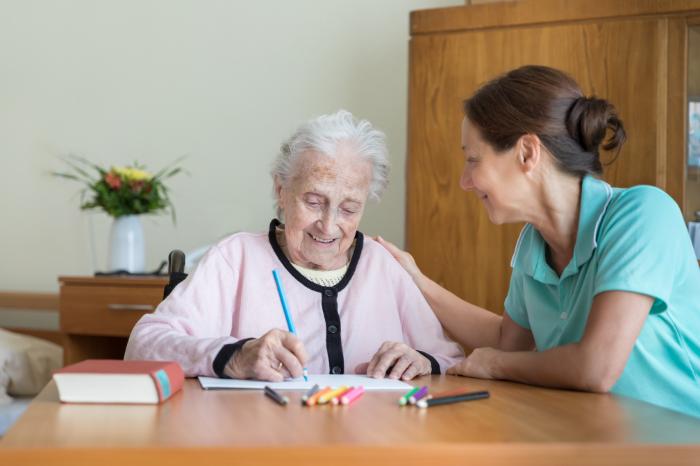


How Does Dementia Change as It Reaches an Advanced Stage?
The shift tends to happen gradually, then noticeably. Recent memories fade first, and a person may believe they are living in an earlier period of their life. Speech becomes harder to follow or produce. Alzheimer's Society notes that mobility and swallowing are commonly affected at this stage, and that pain is still felt just as keenly, even when a person can no longer describe where it hurts. Delirium, a sudden change in alertness or behaviour lasting several hours, becomes a real risk and needs prompt medical attention rather than being mistaken for a normal part of dementia's progression. Recognising these changes early, rather than after a fall or hospital admission, is often what makes the difference between a planned move to specialist dementia care and an emergency one.
What Can Make Advanced Dementia More Difficult to Support?
Several things compound at once. Physical frailty increases the risk of pressure sores and infection. Reduced mobility raises fall risk. Swallowing difficulties, known clinically as dysphagia, mean mealtimes need careful supervision to avoid choking, and may require modified food textures or thickened fluids. On top of this, communication difficulties mean a person may not be able to say they're in pain, frightened, or unwell, so carers have to read non-verbal cues instead. A general residential setting, built around supervision and companionship rather than clinical monitoring, can struggle to keep pace with needs that change from week to week.
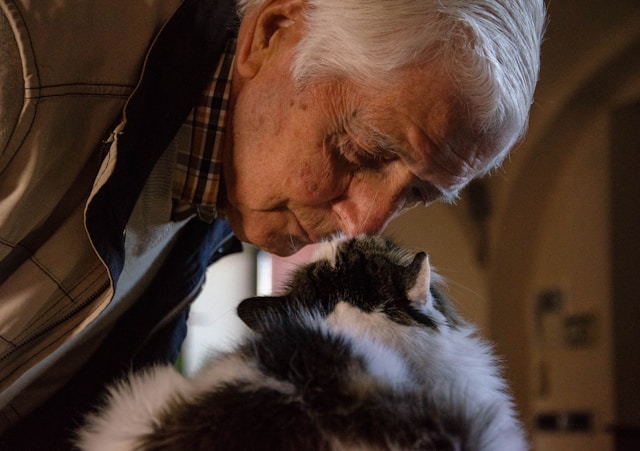

What Are the Complex Behavioural and Physical Needs Associated With Advanced Dementia?
Behavioural changes at this stage often include agitation, resistance to personal care, or distress that has no obvious trigger. These aren't failures of character or effort; they're usually the person's way of expressing confusion, discomfort or unmet need when words are no longer available. Physically, families are often supporting someone with limited mobility, incontinence, weight loss and a rising risk of chest infections linked to swallowing problems. Managing all of this well requires more than patience. It requires staff trained specifically in de-escalation, in recognising non-verbal signs of pain, and in adapting personal care so it feels less invasive and frightening to someone who may not understand what's happening to them.
How Can Care Be Adapted When Dementia Needs Become More Complex?
Care has to become more structured without feeling cold or clinical. Clear, predictable routines reduce confusion and anxiety, because a familiar rhythm to the day gives a person something to orient around even when memory has gone. Environments matter too: secure but unrestrictive layouts, calm lighting and reduced noise all help lower distress. Alderbrook Care Home's dementia care approach in Leeds centres on person-centred care plans built around each resident's history, preferences and routines, reviewed regularly as needs shift rather than left static. Adapting care also means closer collaboration between care staff and healthcare professionals, so that changes in condition are picked up and acted on quickly rather than noticed weeks later.

When Is Specialist Dementia Nursing Care Appropriate?
Specialist dementia nursing care becomes appropriate once needs move from personal care into genuinely clinical territory: managing multiple medications, monitoring for infection, supporting swallowing difficulties safely, or providing palliative support towards the end of life. NICE guidance on dementia recommends that people living with dementia should have a single named health or social care professional responsible for coordinating their care, precisely because needs at this stage span so many areas at once, from medical to emotional to practical. When a family finds themselves managing frequent GP calls, repeated falls, or a loved one who is no longer safe eating and drinking without close supervision, that's usually a sign that specialist care is needed rather than general dementia support.
What Does a Specialist Care Environment Need to Provide?
A genuinely specialist environment combines round-the-clock nursing presence with the physical setup to match: secure access points to reduce the risk of a resident becoming lost or distressed, equipment such as pressure-relieving mattresses to protect skin integrity, and staff trained in dementia-specific communication and behaviour support, not just general care. It also needs the ability to adjust quickly. Assessments and care plans should be reviewed regularly rather than fixed at admission, reflecting the way advanced dementia can change week to week. Family involvement matters just as much as clinical provision; being kept informed and consulted, rather than told after the fact, helps families trust that decisions are being made with their input, not around them. For families weighing this in North Leeds, it's worth reading more about what complex dementia actually involves and how it differs from earlier-stage support.

What Should Families Consider When Standard Dementia Care Is No Longer Enough?
The hardest part is often recognising the moment itself. Families frequently describe a sense of guilt at even considering a move, as though it reflects on their own effort or love. It doesn't. Advanced dementia asks for clinical skills, equipment and staffing ratios that most home settings, and many general residential ones, simply weren't built to provide. Questions worth asking when visiting a potential home include how staff are trained in managing distress and swallowing risk, whether a nurse is on-site at all times, and how often care plans are reviewed. Reading about how families can differentiate dementia symptoms from other conditions can also help clarify whether what's being observed is disease progression or something else that needs separate medical attention. Dementia UK and a GP or memory clinic are useful starting points for an honest conversation about what stage a loved one has reached.
Frequently Asked Questions
Is advanced dementia the same as complex dementia?
The terms overlap but aren't identical. Advanced dementia refers to the later stage of the condition itself, while complex dementia often describes cases where dementia coexists with other significant health conditions, requiring coordinated medical and nursing input.
Does a nursing home treat or cure dementia?
Specialist dementia nursing care focuses on managing symptoms, maintaining comfort and dignity, and responding to the physical and behavioural changes that come with disease progression, not on reversing the condition.
How do I know if my relative needs nursing care rather than residential dementia care?
Signs include difficulty swallowing safely, frequent falls, skin integrity concerns, complex medication regimes, or behavioural distress that a general care setting struggles to manage. A GP, memory clinic or care assessor can help confirm the right level of care.
Can staff manage distressed or challenging behaviour without medication?
Trained dementia nursing staff generally use de-escalation, communication techniques and environmental adjustments as a first response, involving healthcare professionals when a clinical review of behaviour or medication is genuinely needed.
If you'd like to talk through what specialist dementia nursing care might look like for someone you love, the team at Alderbrook Care Home in Moortown, North Leeds, is happy to answer questions or arrange a visit.